How to Master Product Photography
What we're talking about
Product photography, or ecommerce photography as it's sometimes understood, is basically what it seems like: pictures taken and utilized on websites and social media sites platforms to aid drive sales of your services or product. Given the rise of shopping online, the selection of products and also brands offered to customers in any kind of offered classification can be substantial-- meaning the photos that show what you're offering and why it deserves getting are a essential aspect for any type of service selling online.
Why it is very important
There's much more to product photography than showing prospective consumers what your product looks like. Well-considered photos can place your product in context, helping a client see exactly how it may suit their very own life. As a matter of fact, researchers located that dazzling and also thorough images of a product raises a client's emotional feeling of possession of that product. Photography can also assist increase your brand name, enhancing what you represent and what you're everything about. All of these things raise the likelihood of inspiring a purchase.
Taking pictures that supply context as well as develop Street Photography your brand name does not necessarily need a great deal of expensive devices or a expert digital photographer-- though those 2 points can aid. You just need to think through your goals when it concerns photography and also spend some time and power right into bringing those concepts to life.
Things to note
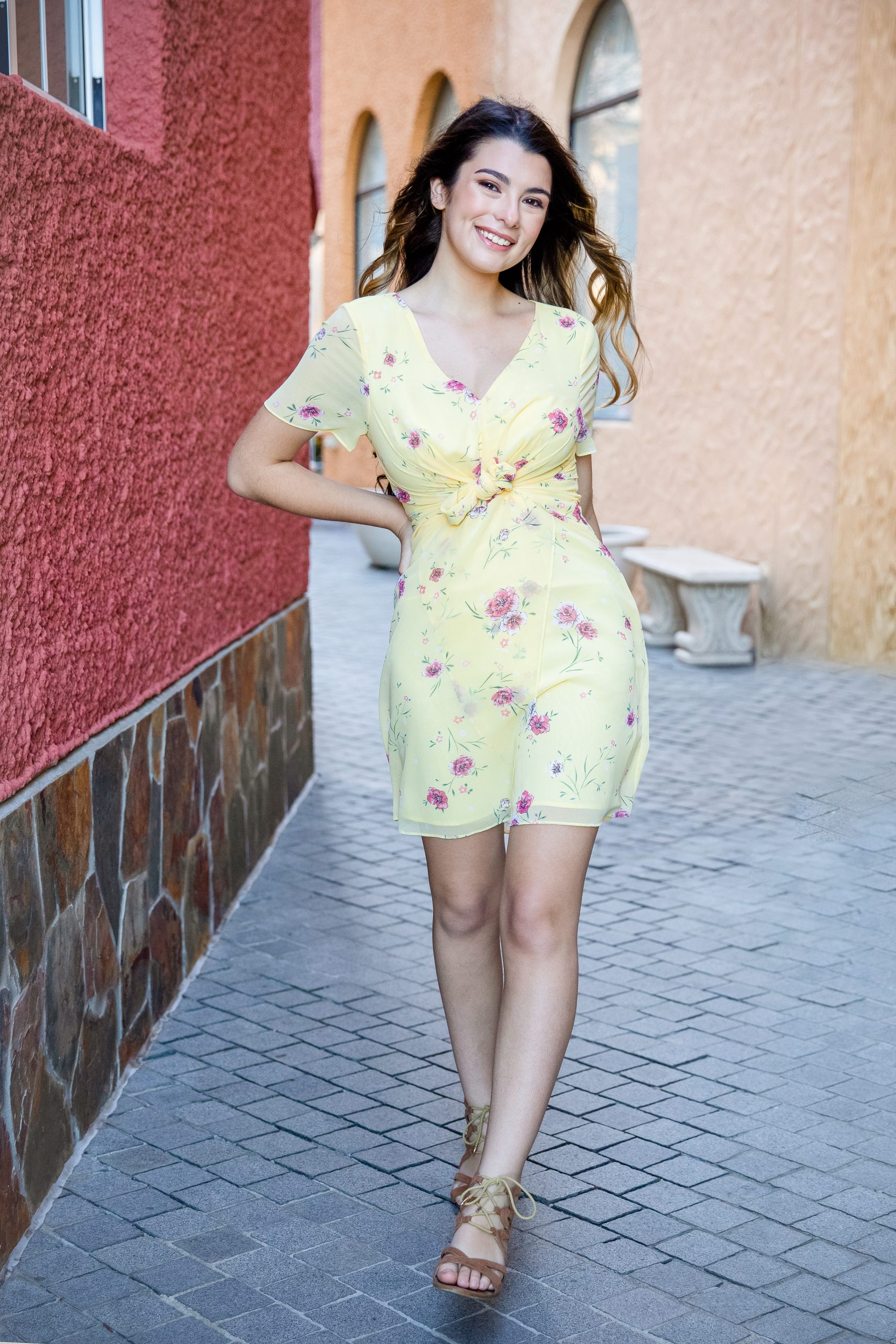
Various sorts of images offer various objectives. One photo does not fit all. For just one product you could require several photos: conventional product shots on a white background to use on marketplaces; top quality product shots to use on your own site or social channels; lifestyle shots that show the product being used or in an aspirational setup; detail shots that catch key elements or attributes you intend to highlight; as well as behind-the-scenes pictures that capture the process behind the product.
Focus on your illumination. Lighting, not the cam, is what will make or damage an image. If you don't have a lot of fancy equipment, you're going to intend to work with natural illumination, so discover a place near a large window to fire and also wait until the brightest time of day. Diffused lights (aka soft and even) is the objective, and to avoid extra-bright spots or super-dark shadows you can use white foam board from your local art shop to reflect light onto your product.
Consistency is vital. To make sure all your items are related to your brand, make certain the way you photo them is relatively consistent. All your product pictures ought to be shot from the exact same angle as well as distance, and all way of living shots must have a similar tone and also colour combination. Think of what you wish to accomplish below, as well as as soon as you handle it, try to make sure other photos you absorb the future appearance similar.

How to shoot photos of your product
1. Make a state of mind board. Do not skip this action. Take a while to collect photos that record the look you wish to reproduce in your pictures. Research study the angles made use of, the props in position and the colours and tones of the photos that influence you as well as search for patterns in things you're drawn to. The notes you make below will certainly aid you choose what to opt for when styling and firing your own images.
3. Set the scene. Perfect your established on shoot day. Select a time of day when you have accessibility to all-natural light as well as established your location ( possibly a table near a large window) with history papers and also props as required. You can make use of Blu Tack or tape to keep things in position-- take some time to make sure the set-up benefits your pictures.
4. Take and retake photos. Time to fire! It will possibly take a number of tries to get the shot specifically right, so do not hesitate to take numerous pictures of the same configuration at the exact same angle. Make certain to stop as well as examine to see what the pictures look like as well as pay attention to the information. Is the lights also or are any type of key features covered by darkness or highlights? Are there any type of distractions within your structure that might not have the ability to be modified or chopped out later on? Ensure you catch all the shots you provided out when planning your photoshoot.
5. Make edits and selections. Go through all the pictures you took and also pick 1 or 2 photos of each type for each product that function the most effective. Narrow down the ones you plan on utilizing to showcase your product online, after that make edits to assist all the pictures look constant. Once more, no professional skills required-- fundamental software application on your phone or computer can aid crop out disruptive elements and also adjust points like contrast and also exposure to help make certain the product is illustrated plainly.
6. Optimise pictures for the internet. Prior to utilizing your pictures online, make sure they are sized properly-- both in terms of element ratio (the percentages of the pictures) and resolution ( the number of pixels develop the image) for the system you're posting on. Various social networks platforms or web site formats usually utilize different sizes and also specifications ( have a look at this convenient cheat sheet). You'll need to make certain the photo is of good-enough quality so it isn't blurry, yet has a little enough file size to make it load rapidly. Ultimately, see to it images are named descriptively, so search engines can bring them up when people look for products like the ones envisioned in your images.
Secret takeaways
• You'll desire a couple of different designs of photos for every of your items-- there are most likely to be multiple objectives you'll require your photography to satisfy.
• You can DIY fantastic product images with some standard set: a tripod, a respectable smart device as well as some basic paper backgrounds as well as props.• Lights is key-- capturing near a home window at a bright time of day can make a large distinction.
